.png)
7 Contemplative Prayer Practices: A Free Resource Guide
Updated: Oct 8
Contemplative prayer is less about finding the right words and more about being present with God. Instead of filling prayer with requests, these practices make room for silence, attention, and listening, whether that means sitting quietly, reading a short passage slowly, or walking a labyrinth. Christians have practiced them for centuries, from the desert monastics to the medieval mystics, and they speak just as clearly to our busy, distracted lives today. You don't need any experience, special training, or even settled beliefs to begin. This guide introduces seven contemplative prayer practices, with simple instructions and trusted resources for each, so you can find the ones that fit you, whether you're a lifelong person of faith or simply curious about a quieter, deeper way of being.
Centering Prayer
Centering prayer is a contemplative Christian meditation practice that emphasizes silent, receptive presence to God through the quiet repetition of a sacred word. By gently letting go of active thoughts, practitioners open their hearts and minds to deepen their spiritual connection and cultivate inner peace. This meditative prayer form helps modern seekers reduce daily stress while grounding themselves in a historically rooted contemplative tradition.
Resources:
Lectio Divina
Lectio divina is a traditional Christian practice of prayerful scripture reading that engages mind and heart through four distinct steps: reading (lectio), meditating (meditatio), praying (oratio), and contemplating (contemplatio). Rather than treating sacred texts as information to study, practitioners slowly digest scripture to foster a deeper, personal dialogue with God. This reflective meditation method offers modern seekers an ancient, structured approach to spiritual growth, mindfulness, and divine connection.
Resources:
Guided daily lectio from Sacred Space (be sure to click "open guide" in the top right hand corner if you want more guidance)
Lectio Divina with the Prodigal Son – Richard Rohr's Daily Meditations
Visio Divina: a close cousin of Lectio Divina, but instead of praying with a passage of Scripture, you pray with an image such as a painting, icon, photograph, or scene from nature, letting God speak through what you notice.
Praying the Psalms
Praying the psalms is an ancient spiritual practice that involves using the biblical Book of Psalms as a personal blueprint for prayer, reflection, and emotional expression before God. By speaking or singing these sacred songs—spanning raw grief and frustration to intense joy and gratitude—practitioners find a timeless language for every season of life. This scriptural prayer method connects modern believers to thousands of years of contemplative tradition, transforming personal devotion into a deeply grounded, honest dialogue with the Divine.
Resources:
List of psalms grouped by emotions they convey
Video on how to pray the psalms from Homer UMC
Different ways to pray the psalms
Great book: Talking Back to God: Speaking Your Heart to God Through the Psalms
Labyrinth Walking
Labyrinth walking is an ancient, meditative practice that involves following a single, winding path to a center point and back out, serving as a physical metaphor for spiritual journey and self-reflection. Unlike a maze, a labyrinth has no dead ends or tricks, allowing practitioners to quiet the mind, release stress, and cultivate inner peace with every step. This active, grounded meditation offers modern seekers a powerful tool for mindfulness, prayer, and emotional clarity.
Resources:
Ignatian Contemplation
Ignatian contemplation is an imaginative form of prayer created by St. Ignatius of Loyola that invites practitioners to step inside Gospel stories using all five senses. By actively picturing the sights, sounds, and emotions of a biblical scene, practitioners encounter sacred texts as a living, personal experience rather than a static historical account. This sensory-rich meditation method helps modern seekers deepen their emotional connection with God, and discover divine presence in everyday life.
Resources:
Breath Prayer
Breath prayer is an ancient Christian meditation practice that syncs a short, sacred phrase with the natural rhythm of breathing—inhaling a name of God and exhaling a personal desire or petition. By anchoring simple prayers like "Lord Jesus / Have mercy on me" to the breath, practitioners turn a routine body function into an ongoing, quiet act of devotion. This accessible, body-centered prayer method helps modern seekers calm anxiety, practice mindfulness, and maintain a continual awareness of divine presence throughout the day.
Resources:
The Daily Examen
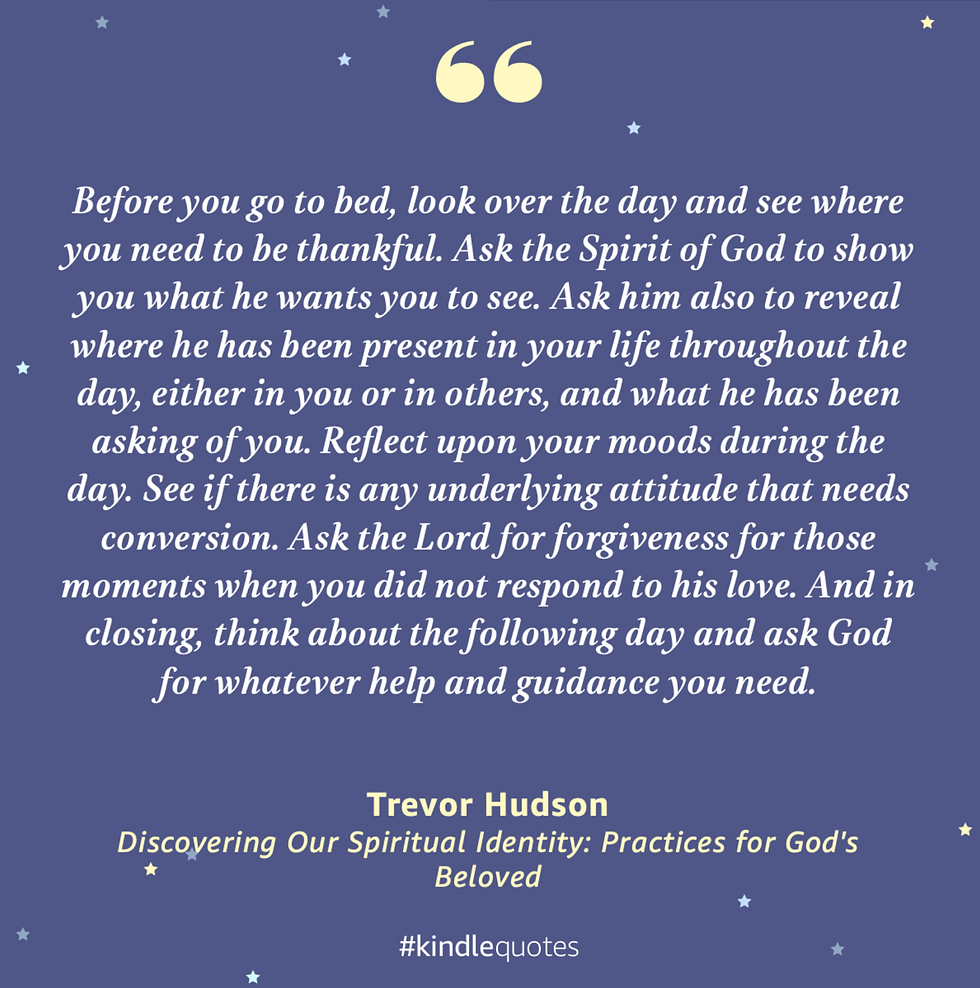
The Daily Examen is a prayerful practice of daily reflection developed by St. Ignatius of Loyola that helps practitioners review their last 24 hours to recognize God’s presence and guidance in everyday life. Through five simple steps—giving thanks, asking for insight, reviewing the day, identifying key moments, and looking toward tomorrow—practitioners cultivate gratitude and self-awareness. This mindful evening routine offers modern seekers a structured way to reduce stress, process emotions, and make more intentional, spirit-led choices.
Resources:
Practice in Community
These practices can be done on your own, but many people find it easier to stay with them when they practice alongside others. Join us at Contemplation Lab, a weekly contemplative prayer group that meets Monday evenings at Oak Hill UMC in Southwest Austin, where newcomers are always welcome and no experience is needed.


Llegué aquí buscando algo sobre cómo funciona el promedio en programas universitarios con énfasis en innovación tecnológica porque tienen formatos de evaluación muy particulares. Esta página tiene información que aplica bien a ese tipo de programas con proyectos tecnológicos integrados como componentes de evaluación. Usé la herramienta con los datos de mi programa incluyendo el proyecto tecnológico con su peso específico asignado por el profesor. El resultado fue preciso y me ayudó a entender cuánto impactaba ese proyecto en mi nota definitiva del semestre completo. Me gustó que la herramienta no restringe los tipos de componentes que se pueden incluir durante el proceso de cálculo. Una calculadora que también funciona bien para programas tecnológicos con formatos de evaluación muy innovadores…
Lo usé porque quería saber si valía la pena pedir revisión de una prueba o si el cambio en el promedio iba a ser tan pequeño que no justificaba el trámite. El cálculo me mostró que sí hacía diferencia y eso me motivó a hacer la solicitud formal. Finalmente me subieron la nota y el promedio mejoró justo lo que necesitaba. https://calculadoradenotas.cl